Dementia and Human Dignity: When Memory Fades, Love Must Remember

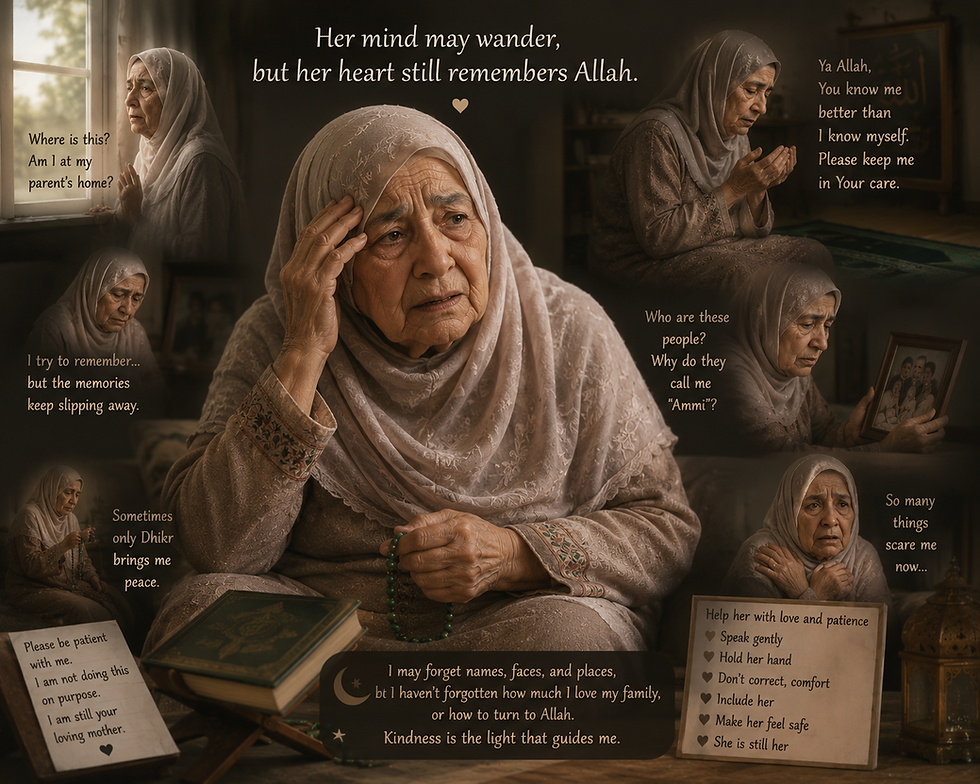
A few days ago, I read a remarkable letter written by Dr. S. C. Sung, a neurologist who has spent years caring for patients suffering from dementia. It was not a medical report or a scientific study. It was a deeply personal message addressed to his family—a message he hopes they will read if one day he develops dementia and can no longer fully understand the world around him. The letter quickly spread across the internet. Thousands of readers admitted that it brought tears to their eyes. Yet its power does not come from fear of illness or sympathy for old age. Its power comes from its gentle reminder that behind every fading memory remains a living human being who still deserves love, dignity, respect, and companionship. Dr. Sung asks his family to remember something simple yet profound: if dementia ever takes his memories, it should not take away his humanity. His requests are not only instructions for caring for someone with dementia. They are lessons in how to love. They remind us how to care for aging parents, spouses, relatives, and, perhaps, ourselves.
The Qur'an speaks with extraordinary tenderness about the vulnerabilities of old age: "Your Lord has decreed that you worship none but Him, and that you show excellence toward your parents. If one or both of them reach old age in your care, do not even say to them a word of irritation, nor rebuke them, but speak to them with noble words." (Qur'an 17:23) Allah recognizes that old age often brings weakness, dependence, forgetfulness, and emotional fragility. Yet He commands patience and honor rather than frustration and neglect. Similarly, the Prophet Muhammad ﷺ taught: "He is not one of us who does not show mercy to our young and honor our elders." (Tirmidhi) Dr. Sung's requests beautifully embody this prophetic spirit of mercy.
Help Me Feel Safe

His first request is strikingly simple. If you enter my room, call me by my name and tell me who you are. Do not test me by asking, "Do you know who I am?" To most of us, such a question seems harmless. But to someone with dementia, it can become a source of terror and humiliation. The inability to recognize a loved one is already painful enough. There is no need to turn that confusion into a test. Islam teaches us never to embarrass people because of their weaknesses. The Prophet ﷺ never exposed people's vulnerabilities merely to prove a point. Instead, he preserved their dignity.
Enter My World Before Pulling Me into Yours
Dr. Sung asks that if he believes he is living in another time or speaking about events from decades ago, his family should not rush to correct him. If he says he is going to visit an old friend, let him enjoy that thought. If he speaks about a deceased relative as though they are still alive, smile gently rather than confronting him with painful reality. This request teaches us a profound lesson: sometimes compassion is more important than factual accuracy. Not every misunderstanding requires correction. Sometimes love means sitting beside someone in their reality and sharing their peace.
Do Not Argue with Me
One of his most touching requests is simple: Do not argue with me. In dementia, memories and reality become intertwined. The person is often unable to distinguish between the two. Winning an argument serves no purpose. It only creates distress. The Prophet ﷺ said: "I guarantee a house in Paradise for one who gives up arguing even when he is right." (Abu Dawud) If this advice applies to ordinary disagreements, how much more important is it when dealing with someone whose mind is struggling to make sense of the world?
Remember That Forgetfulness Is Not Rejection
Perhaps one day I will not recognize you, Dr. Sung says. Please do not take it personally. My inability to recognize your face does not mean I have stopped loving you. It only means my mind has become confused. This is a difficult truth for caregivers. A spouse may no longer be recognized. A child may be mistaken for a stranger. Yet beneath that confusion often remains a lifetime of affection. The heart may remember what the mind can no longer name.

Allow Me to Remain Independent
If I forget how to use a spoon, do not immediately feed me. Give me a chance to try. If necessary, let me eat with my hands. Many caregivers rush to help, but excessive help can unintentionally rob a person of dignity. Dr. Sung asks for opportunities to continue doing things for himself as long as possible. Islam encourages self-respect and personal responsibility. Preserving a person's remaining abilities is itself an act of kindness.
Hold My Hand More Than You Correct Me
If I seem anxious, frightened, or sad, Dr. Sung asks for something very simple: Hold my hand. Do not tell me merely to stop worrying. Sit beside me quietly. Human beings often underestimate the healing power of presence. Sometimes solutions are less important than companionship. The Prophet ﷺ regularly comforted people through his presence, his touch, and his attentiveness.
Speak to Me as an Adult
One of the greatest fears of people with dementia is being treated like children. Dr. Sung reminds his family that even if his language disappears and his understanding weakens, he remains an adult. His life experiences, struggles, achievements, and memories deserve respect. Dignity does not disappear with illness.
Let Me Continue Being Myself
He asks his family to let him continue doing the things he enjoys. Allow him to pursue hobbies. Let him listen to favorite music. Permit him to carry objects he likes carrying. Help him maintain familiar routines. These activities are not trivial. They preserve identity. The Qur'an teaches that Allah created each person uniquely. Maintaining those unique habits helps preserve the sense of self even as memory fades.

Listen to My Stories Again
One request resonates with almost every family caring for an elderly loved one: If I repeat the same story over and over, please listen. It may be the only story I still remember. Many elderly people live increasingly in the past because those memories remain clearer than recent events. Patience in listening becomes an act of gratitude for the years they spent listening to us.
Understand My Emotions
Dementia often produces sudden anger, tears, frustration, or fear. Dr. Sung asks his family not to blame him when emotions become difficult. Instead, they should try to understand what might be causing the distress. The Prophet ﷺ taught compassion toward those who struggle. He looked beyond behavior to understand pain.
Treat Me the Way You Hope to Be Treated
One of his most universal requests is this: Treat me as you would wish to be treated yourself. This echoes the Prophet's teaching: "None of you truly believes until he loves for his brother what he loves for himself." (Bukhari and Muslim) One day, any of us could stand where he stands.
Care for My Small Comforts
Dr. Sung asks his family to keep snacks available. To outsiders, this may seem insignificant. Yet small comforts often become large comforts in old age. A favorite snack, familiar taste, or simple pleasure can bring joy to a confusing day.
Include Me in Conversations
When discussing my care, look at me and speak to me. Do not speak of me as though I were absent. Even when understanding declines, people can often sense exclusion. Every human being longs to be acknowledged.
Forgive Yourself Too
One particularly compassionate request is directed toward caregivers themselves. If you cannot be present all the time, do not blame yourself.

Caregiving is exhausting.
No family member can carry the burden perfectly. Even those providing care deserve kindness and understanding.
Do Not Abandon Me
If I eventually need a nursing home, please visit me. Do not forget me. Loneliness may be one of the deepest wounds of aging. Visits communicate what words cannot: You still matter. You are still loved.
Be Patient with My Mistakes
If I forget names, misuse words, lose objects, or repeat questions, please be patient. These are symptoms of illness, not personal failures. Patience is among the highest virtues praised throughout the Qur'an.
Preserve My Faith and Traditions
Dr. Sung asks that he be allowed to maintain his beliefs, customs, and spiritual practices as much as possible. For believers, faith often remains a source of comfort long after many memories have faded.
The Qur'an, prayers, familiar supplications, sacred songs, and religious rituals can provide stability amid confusion.
Never Stop Holding My Hand
Near the end of his letter, Dr. Sung repeats a request that appears throughout his message. Do not hesitate to hold me. Touch communicates love when words fail. A hand held gently may convey reassurance that no speech can match. Above All, Remember Who I Am

His final request brings all the others together: Please remember that I am still me. I may not be the person you remember. I may not speak the same way. I may not know your name. I may not remember our history. But I am still the same person you loved. The Qur'an declares: "Indeed, We have honored the children of Adam." (Qur'an 17:70) This honor does not fade with memory. It does not depend on intelligence, productivity, strength, or independence. It belongs to every human being because it is bestowed by Allah Himself.
Dr. Sung's letter reminds us that dementia is not merely a medical condition. It is a test of love. Will we continue to honor those who can no longer remember us? Will we remain patient when conversations become repetitive? Will we preserve dignity when independence disappears? Will we choose compassion over correction? One day many of us may stand on the other side of these questions. When that day comes, we will not ask whether people remembered our accomplishments, our wealth, or our successes. We will hope they remembered something far more important. We will hope they remembered that we were still human. And when memory fades, we will pray that love remembers.


Comments