Why do Critics Oppose The Abrahamic Accord?

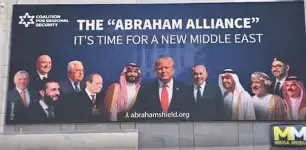
The Abraham Accords were presented to the world as a historic step toward peace in the Middle East. They sought to normalize relations between Israel and several Arab states, including the United Arab Emirates, Bahrain, Sudan, and Morocco. Supporters described them as a breakthrough in diplomacy, trade, and regional cooperation. Yet the use of Abraham’s name raises a deeper moral and spiritual question: Do these agreements truly reflect the values for which Abraham stood?
Abraham, revered in Judaism, Christianity, and Islam, was not merely a symbolic ancestor of nations. He represented a moral vision rooted in human dignity, justice, hospitality, compassion, and submission to one God. His life challenged tyranny, idolatry, arrogance, and the concentration of power in the hands of rulers who denied truth and oppressed human beings. Abraham stood for the liberation of the human spirit from fear, domination, and tribal arrogance. He sought to unite humanity under ethical monotheism, not political expediency.
Peace is necessary. Human beings everywhere long for a world free of war, hatred, displacement, and insecurity. Genuine reconciliation between peoples is a noble goal. But peace cannot merely be the language of governments seeking strategic alliances while denying basic freedoms to their own citizens or suppressing the legitimate aspirations of others. A peace that ignores justice eventually becomes fragile, transactional, and morally hollow.
Many of the governments associated with these accords are criticized for authoritarian rule, restrictions on political participation, suppression of dissent, limitations on freedom of expression, and denial of self-determination to vulnerable populations. Likewise, critics of Israeli policies point to unequal systems of governance, occupation, settlement expansion, and structures that many international observers and human rights organizations describe as forms of apartheid or systemic discrimination against Palestinians. In such a context, invoking Abraham without embodying his ethical legacy risks reducing a sacred moral figure into a diplomatic slogan.

Abraham’s message was not about power blocs. It was not about military alliances, geopolitical calculations, or economic convenience alone. It was about moral accountability before God and responsibility toward fellow human beings. He broke idols not only of stone, but also the idols of ego, domination, tribal supremacy, and injustice. Any peace process that carries his name should therefore be measured not only by treaties signed or trade agreements concluded, but by whether it expands human dignity, protects the weak, respects human rights, and allows people to live freely and honorably.
True peace requires courage from all sides: the courage to recognize the humanity of the other, the courage to end systems of humiliation and violence, and the courage to build societies rooted in justice rather than fear. It requires leaders who believe in peace not as a public relations strategy, but as a moral obligation toward humanity. Peace imposed without justice may temporarily silence conflict
, but it cannot heal hearts or build lasting trust.
If Abraham’s name is to mean anything in our time, it must symbolize more than normalization between states. It must symbolize reconciliation between human beings. It must call humanity toward a world where dignity is universal, where no people are treated as disposable, where faith is not weaponized for politics, and where power is restrained by ethics. Only then can peace genuinely reflect the spirit of Abraham rather than merely borrowing his name.


This Abrahimic Accord is a face saving effort of The United States and Israel. I am surprised that the middle east countries are even ready to listen to it. Shame on them.